Magic Bunny Font for Cute DIY Crafts and Labels
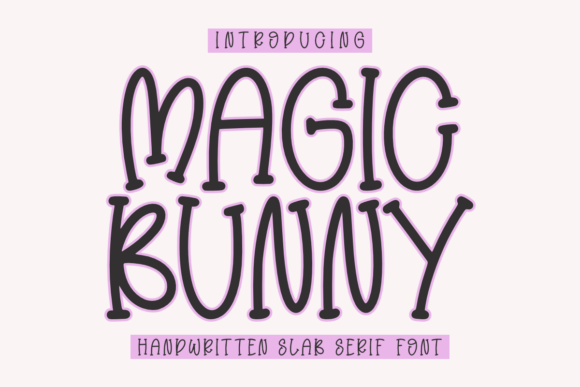
Standing at my craft table with a fresh stack of matte vinyl sticker sheets and a newly poured lavender candle, I realized my current typography just wasn't capturing the whimsical joy I wanted to convey. That was the moment I loaded Magic Bunny into my design software, and watching this cute and playful slab serif font transform a plain product label into something genuinely charming confirmed it was the missing piece in my creative toolkit. As makers and handmade sellers, we know that the right typeface does more than spell out words; it sets the emotional tone for our entire brand, bridging the gap between a simple DIY project and a professional, sellable product.
Designing Candle Labels and Product Packaging with Magic Bunny
When applying Magic Bunny to physical merchandise like candle labels or boutique packaging, this specific slab serif style offers a sturdy yet adorable foundation that standard fonts often lack. In my own testing with 2x3 inch oval labels, the thick serifs of Magic Bunny provided enough visual weight to remain legible against textured paper stocks while maintaining that essential softness required for self-care and home decor niches. Unlike delicate scripts that can get lost on small surfaces or harsh block letters that feel too industrial, this font strikes a balance that feels handcrafted but polished. For fellow Cricut users cutting adhesive vinyl, the letterforms are robust enough to weed easily without losing their playful character, making them ideal for jar decals, box sleeves, and thank-you cards included in shipments. The personality of the typeface instantly signals to customers that the item inside was made with care and intention, elevating the perceived value of the packaging before they even open the box.
Creating Printable Planner Stickers and Journal Spreads
Digital creators designing for the planner community will find that Magic Bunny serves as an exceptional header font for weekly spreads, habit trackers, and digital journal pages. Because this font family is optimized for both screen viewing and printing, the characters retain their crisp edges when scaled down for A5 or B6 planner inserts, ensuring that "Grocery List" or "Self Care Sunday" remains readable at small point sizes. I have used this typeface extensively in printable sticker kits where the goal is to mimic the look of premium stationery; the slight quirkiness in the serifs adds a human touch that sterile system fonts cannot replicate. When designing these digital assets, pairing Magic Bunny with a clean, minimalist sans serif for body text creates a hierarchy that guides the eye without overwhelming the user's writing space. This combination is particularly effective for mom planners and memory keeping projects where functionality must coexist with aesthetic warmth, allowing the user to organize their life while feeling inspired by the design itself.
Magic Bunny for Greeting Cards and Seasonal Quotes
Crafters focusing on paper goods and seasonal inventory will appreciate how Magic Bunny adapts to various sentiments across greeting cards, gift tags, and wall art prints. During my recent holiday prep, I utilized this font for a series of "Happy Holidays" wooden signs and card fronts, finding that its chunky proportions held ink beautifully on porous surfaces like watercolor paper and raw wood. The playful nature of the slab serif makes it versatile enough for children’s birthday invitations yet structured enough for sophisticated wedding welcome signage when styled appropriately. It avoids the cliché look of overused calligraphy scripts while still feeling celebratory and warm. For those selling printable wall art, using Magic Bunny for short inspirational quotes or nursery decor creates a focal point that photographs well in listing mockups, helping potential buyers visualize the art in their own homes. The font’s inherent charm acts as a visual hook, stopping the scroll in crowded marketplace feeds where unique typography is key to standing out.
Optimizing Cricut Vinyl Projects and Shirt Designs
For makers producing apparel and durable goods, understanding the technical performance of Magic Bunny on cutting machines is crucial for successful production runs. When designing t-shirts or tote bags, I recommend keeping the text size above one inch to preserve the integrity of the inner counters and serif details during the weeding process. This slab serif font performs exceptionally well with heat transfer vinyl (HTV) and permanent adhesive vinyl because the stroke width is consistent, reducing the risk of tearing or lifting during application. I have successfully used it for matching family reunion shirts and personalized baby onesies where readability from a distance is necessary. When working with darker fabrics, the bold weight of Magic Bunny ensures high contrast and visibility, which is vital for event photography and social media content featuring your products. Always perform a test cut with your specific material settings, as the playful curves may require a slightly slower blade speed to achieve sharp corners compared to simpler geometric fonts.
Font Pairing Strategies for Creative Mom Businesses
Building a cohesive brand identity as a creative mom or DIY seller often relies on how effectively you pair Magic Bunny with complementary typefaces in your marketing materials and product lines. In my shop branding, I treat Magic Bunny as the primary display font for logos, banners, and featured product names, anchoring it with a lightweight sans serif or a simple handwritten font for secondary information like pricing, descriptions, and contact details. This contrast prevents the design from becoming visually heavy or difficult to read, especially on mobile devices where many customers browse Etsy shops and Instagram portfolios. Avoid pairing it with other decorative serifs or complex scripts, as this can create visual clutter and detract from the unique personality of the main typeface. Instead, let Magic Bunny be the star of the show, using neutral supporting fonts to frame it. This strategy not only improves readability but also establishes a recognizable visual language that customers begin to associate with your specific handmade business over time.
Licensing and File Formats for Commercial Craft Selling
Before listing any physical products or digital downloads featuring Magic Bunny, it is essential to verify the specific commercial license terms and available file formats included in your purchase. As a seller, I always check whether the license covers end products like printed mugs and shirts versus editable templates where the customer accesses the font directly, as these often require different tiers of usage rights. Ensure you have access to OTF or TTF files for desktop design software and SVG files if you plan to sell pre-cut vinyl decals or digital cutting files compatible with Cricut and Silhouette machines. Additionally, review the glyph set to see if multilingual support or special alternates are included, which can expand your market reach to non-English speaking customers or allow for customized logo variations. Respecting these licensing parameters protects your business from legal issues and ensures you are supporting the type designer, fostering a sustainable ecosystem for independent creatives. Taking these practical steps allows you to focus entirely on the joy of creation, knowing your use of Magic Bunny is both compliant and commercially viable for your growing handmade empire.